
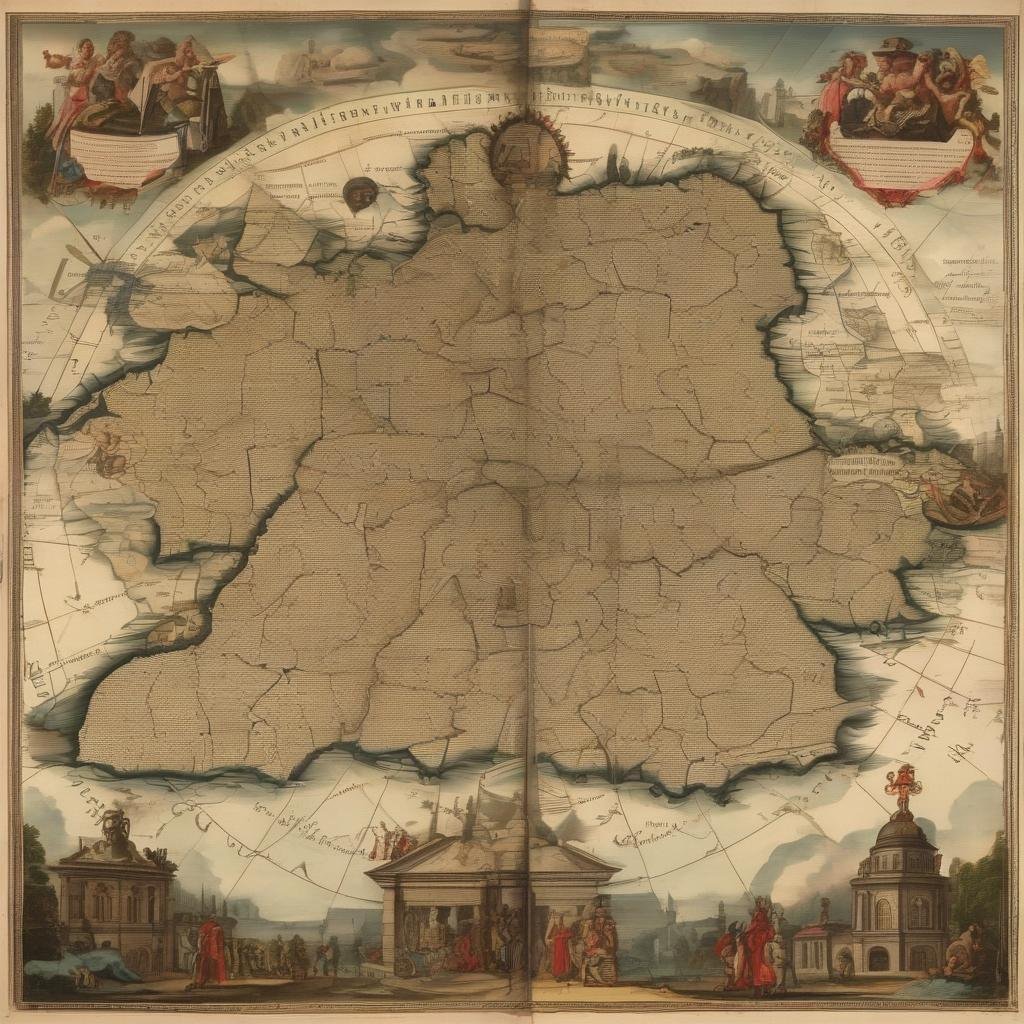
The Illuminati?s Expansion Across German States
“`html
The Illuminati’s Expansion Across German States
The Bavarian Illuminati, founded in 1776 by Adam Weishaupt, began as a small secret society in Ingolstadt but quickly grew into a network that extended far beyond Bavaria. Driven by Enlightenment ideals and a desire to challenge religious and political oppression, the Illuminati sought to expand their influence across the German states. This article explores how the order spread, the key regions it infiltrated, and the lasting impact of its growth before its eventual suppression.
Early Expansion: From Bavaria to Neighboring Regions
The Illuminati’s initial growth was slow but deliberate. Weishaupt and his early followers, including influential figures like Baron Adolph Knigge, focused on recruiting intellectuals, freemasons, and political reformers. By the early 1780s, the order had established lodges in major Bavarian cities such as Munich and Regensburg. However, their ambitions stretched further—into Saxony, Thuringia, and the Rhineland.
Knigge played a crucial role in this expansion, leveraging his connections within Masonic circles to integrate Illuminati ideals into existing lodges. Cities like Weimar and Frankfurt became hubs of Illuminati activity, where Enlightenment thinkers gathered to discuss philosophy, science, and political reform. The order’s secrecy and hierarchical structure allowed it to operate discreetly while gaining influence among the educated elite.
For more on the philosophical foundations of this expansion, see our article on Philosophical Influences on the Bavarian Illuminati.
Key Centers of Influence
As the Illuminati expanded, certain regions became strongholds of their activity:
- Saxony: Dresden and Leipzig hosted prominent Illuminati members who worked within universities and Masonic lodges to spread Enlightenment ideas.
- Thuringia: Weimar, home to intellectuals like Goethe and Herder, became a critical center where Illuminati ideals merged with literary and cultural movements.
- The Rhineland: Cities such as Mainz and Cologne saw Illuminati infiltration among progressive clergy and merchants, furthering their reach.
These regions were strategically chosen for their intellectual and political climates, allowing the Illuminati to embed themselves within influential circles.
Challenges and Opposition
Despite their growing influence, the Illuminati faced increasing scrutiny. By the mid-1780s, Bavarian authorities, alarmed by the order’s secretive nature and radical ideas, began cracking down. Elector Karl Theodor issued edicts banning all secret societies in 1785, forcing the Illuminati underground.
Opposition also came from rival factions, including conservative Masonic lodges and the Catholic Church, which viewed the Illuminati as a threat to tradition. Internal disputes, particularly between Weishaupt and Knigge over the order’s direction, further weakened their cohesion. For a deeper look at these internal struggles, explore Illuminati’s Internal Governance & Secret Rules.
Conclusion: Legacy of the Illuminati’s Expansion
Though the Illuminati’s formal existence was short-lived, their expansion across the German states left a lasting mark. Their networks facilitated the spread of Enlightenment thought, influencing later revolutionary movements and intellectual circles. While suppressed by authorities, the mythos of the Illuminati endured, fueling conspiracy theories and inspiring future secret societies. Their story remains a fascinating chapter in the history of clandestine organizations and ideological dissent.
Frequently Asked Questions
How did the Illuminati recruit members outside Bavaria?
The order relied on existing Masonic connections, personal networks of intellectuals, and targeted recruitment of influential figures in academia and politics.
Which German cities were most significant to the Illuminati?
Weimar, Dresden, and Frankfurt were key centers due to their intellectual and political environments.
Did the Illuminati survive after the Bavarian crackdown?
While the formal organization dissolved, some members continued operating in secret, and their ideas persisted in Enlightenment circles.
“`