
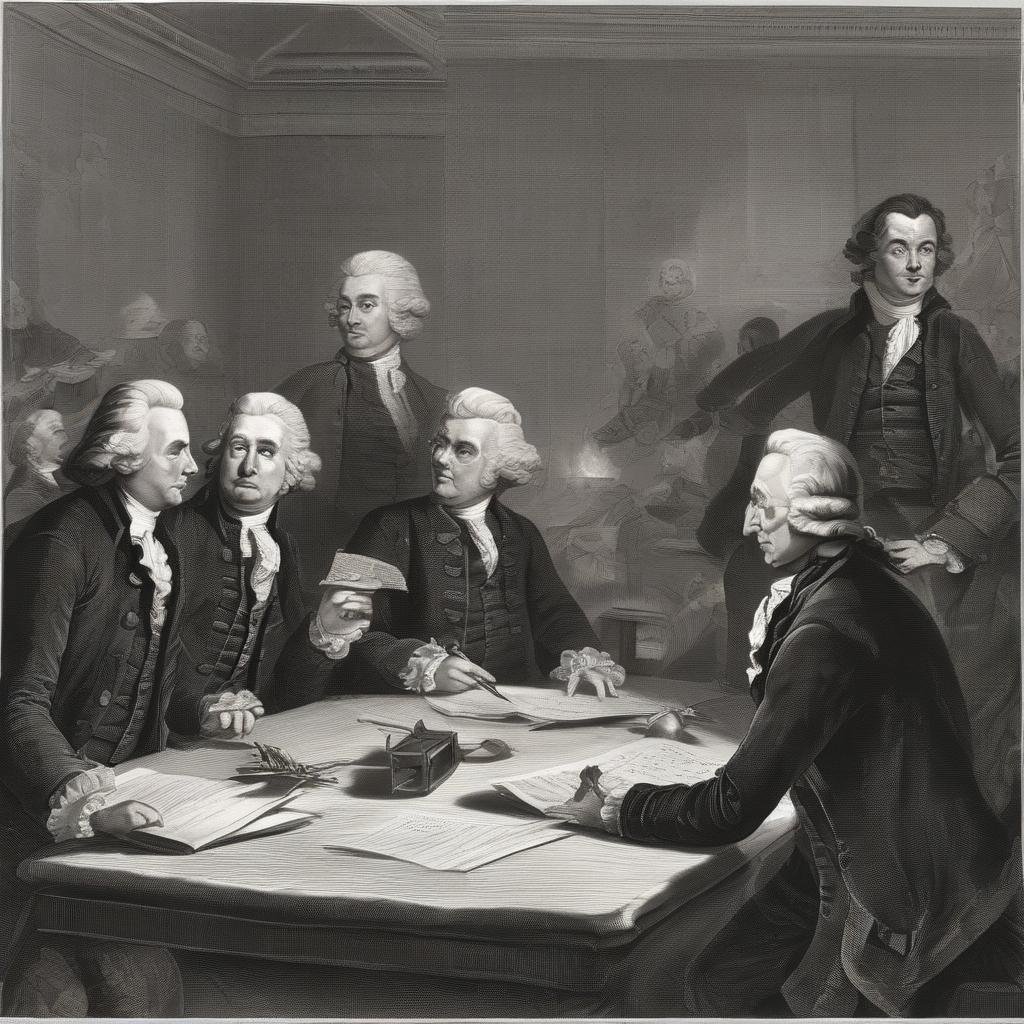
Illuminati in American History
“`html
Illuminati in American History
Introduction
The Illuminati, a secret society founded in Bavaria in 1776, has long been a subject of fascination and conspiracy theories. While its direct influence in Europe was short-lived, its perceived role in early American history has sparked debates among historians and conspiracy theorists alike. Many early American political and intellectual figures were accused of Illuminati ties, fueling fears of hidden agendas and subversion. This article explores the influence and perception of the Illuminati in early American society, examining how this secretive group became entwined with the nation’s founding myths.
The Illuminati and Early American Conspiracy Theories
In the late 18th and early 19th centuries, fears of secret societies influencing politics were widespread in America. The Illuminati, though officially disbanded in Europe by 1787, became a symbol of hidden power in the New World. Prominent figures such as Thomas Jefferson and John Adams were accused of Illuminati sympathies, particularly due to their connections with European Enlightenment thinkers. The Origins of the Bavarian Illuminati reveal a group dedicated to rationalism and opposition to religious influence—ideals that resonated with some American revolutionaries.
One of the most vocal critics of the Illuminati in America was Reverend Jedidiah Morse, who in 1798 warned that the group was infiltrating American institutions to overthrow Christianity and government. His sermons sparked a wave of anti-Illuminati sentiment, leading to suspicions about Freemasons and other secretive organizations. The panic, though largely unfounded, reflected broader anxieties about foreign influence and the fragility of the young republic.
Illuminati, Freemasonry, and American Politics
Freemasonry, another secretive organization, was often conflated with the Illuminati in American discourse. Many Founding Fathers, including George Washington and Benjamin Franklin, were Freemasons, leading some to speculate about hidden allegiances. The Illuminati and Freemasonry: Connections & Differences were frequently misunderstood, with critics claiming that Masonic lodges were fronts for Illuminati infiltration.
The Anti-Masonic movement of the 1820s and 1830s further blurred the lines between the two groups. Conspiracy theorists argued that the Illuminati had survived by embedding themselves within Freemasonry, using its networks to manipulate American politics. While no concrete evidence supported these claims, the fear of secret societies shaped political rhetoric and even influenced the formation of the Anti-Masonic Party—the first third party in U.S. history.
The Illuminati in American Pop Culture and Modern Myths
By the 20th century, the Illuminati had transitioned from a historical curiosity to a staple of conspiracy culture. Books, films, and music perpetuated the idea that the group still operated in the shadows, pulling the strings of global events. Early American fears of the Illuminati laid the groundwork for modern conspiracy theories, from suspicions about the Federal Reserve to claims of elite control over media and finance.
Despite the lack of historical evidence linking the Illuminati to American governance, the myth persists. The group’s alleged influence has been tied to everything from the design of the Great Seal of the United States to the lyrics of popular songs. This enduring fascination speaks to a deeper cultural anxiety about power, secrecy, and who truly controls the course of history.
Conclusion
The Illuminati’s role in American history is more a story of perception than reality. While the group itself had little direct impact, the fear of its influence shaped political discourse, fueled conspiracy theories, and even influenced early party politics. From the Anti-Masonic movement to modern pop culture, the idea of a shadowy elite manipulating events continues to captivate the American imagination. Whether as a historical footnote or a cultural boogeyman, the Illuminati remains a powerful symbol of hidden power and intrigue.
FAQ
Were any U.S. Presidents members of the Illuminati?
No historical evidence suggests that any American president was a member of the Illuminati. However, some, like Thomas Jefferson, were accused of sympathizing with Enlightenment ideals that overlapped with the group’s philosophy.
Did the Illuminati influence the American Revolution?
There is no proof that the Illuminati played a role in the Revolution. The group was founded the same year as the Declaration of Independence but had no known presence in America at the time.
How is the Illuminati connected to Freemasonry?
While some early Illuminati members were Freemasons, the two groups had distinct goals. The Structure and Hierarchy of the Illuminati differed significantly from Masonic lodges, though conspiracy theories often conflate them.
“`